

OUR HISTORY
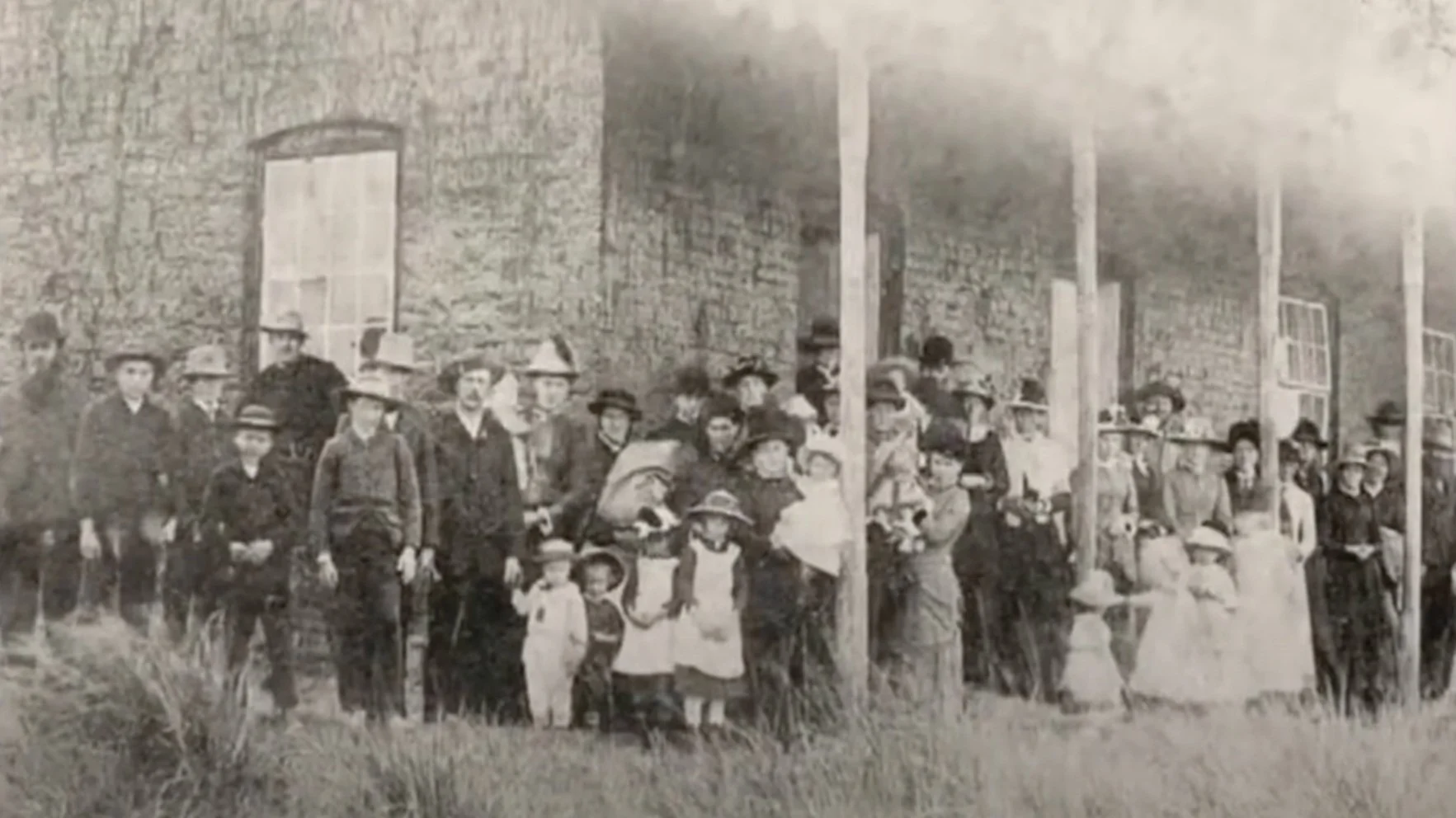
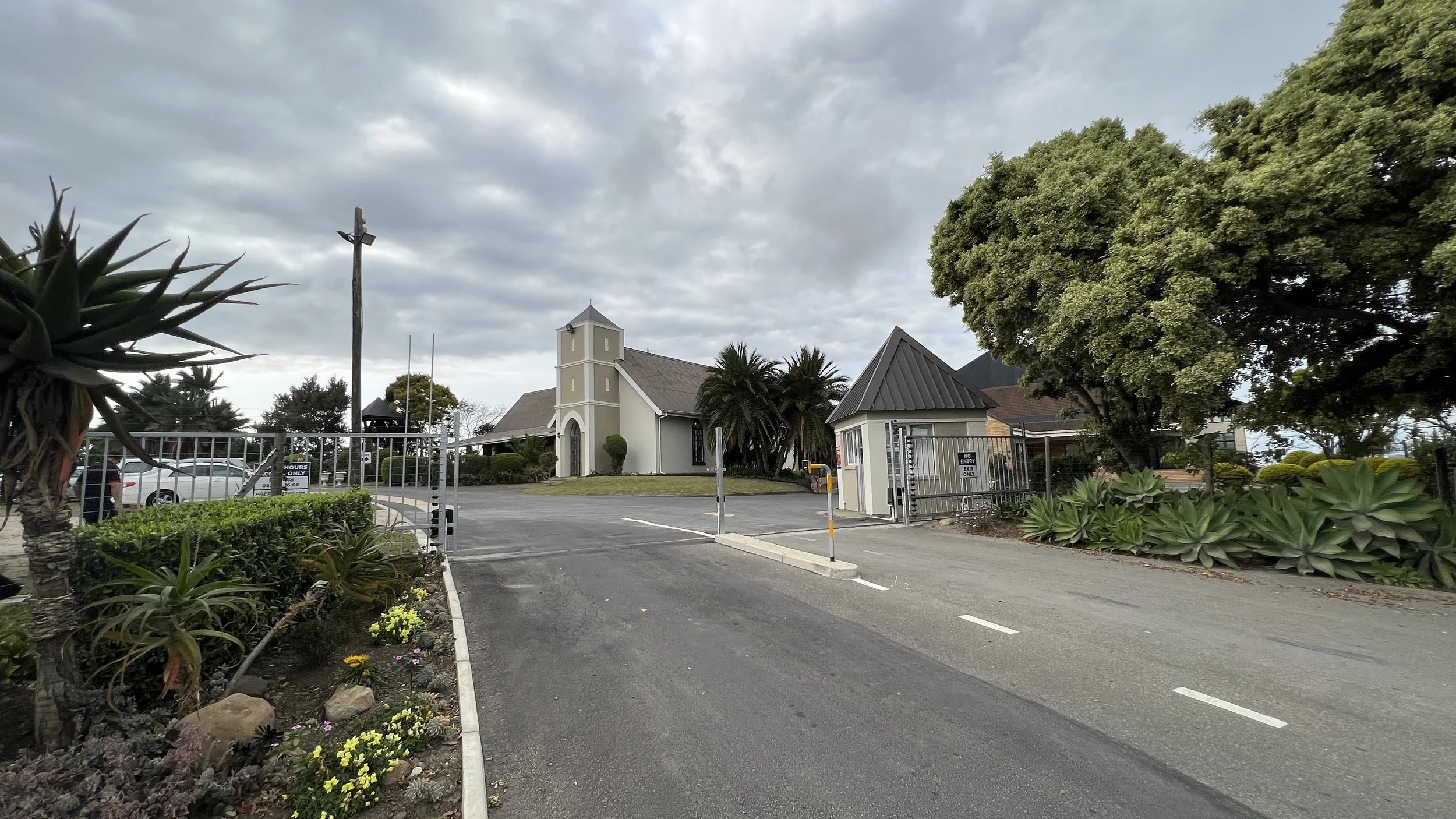
Our story begins on 29 August 1882 when a group of two hundred and twenty-nine Norwegians landed at the mouth of the Umzimkulu River, then known as Alfred County in Southern Natal. They arrived in the Port Shepstone area because of a colonisation scheme launched in Norway in 1880. In terms of this scheme each Settler was given a 100 acre plot of land, including one for the church. Reverend Emil Berg had come with these settlers as their pastor and so, on the first Sunday after their arrival, a service was held on the hillside of Lot 17. A church was built, originally using mud bricks, but later these were encased with fired bricks. This building was dedicated on the First Anniversary of the landing of these men and women, and the Norwegian Settlers Church had its first home. It is the longest serving church in Southern Natal.
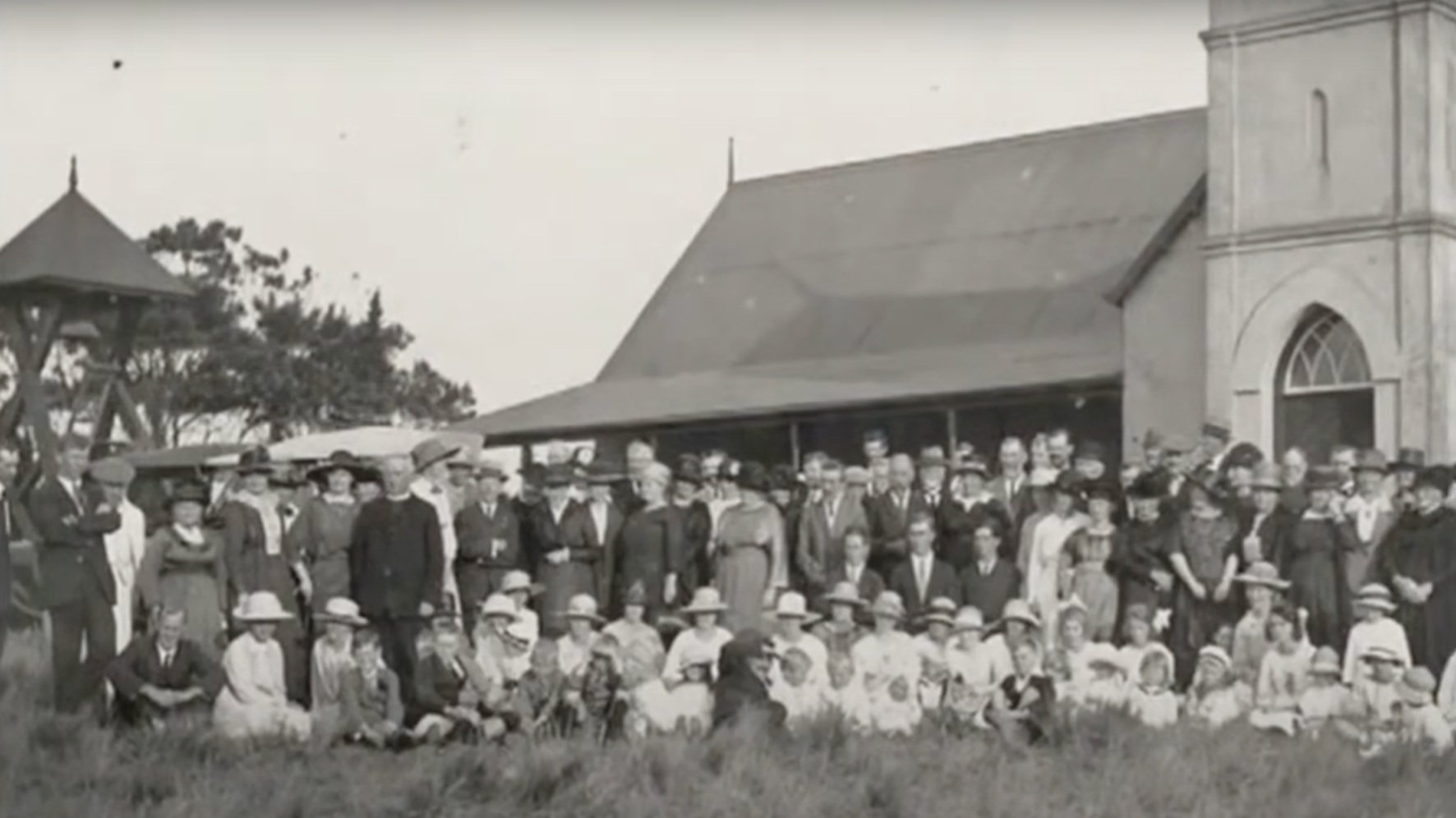
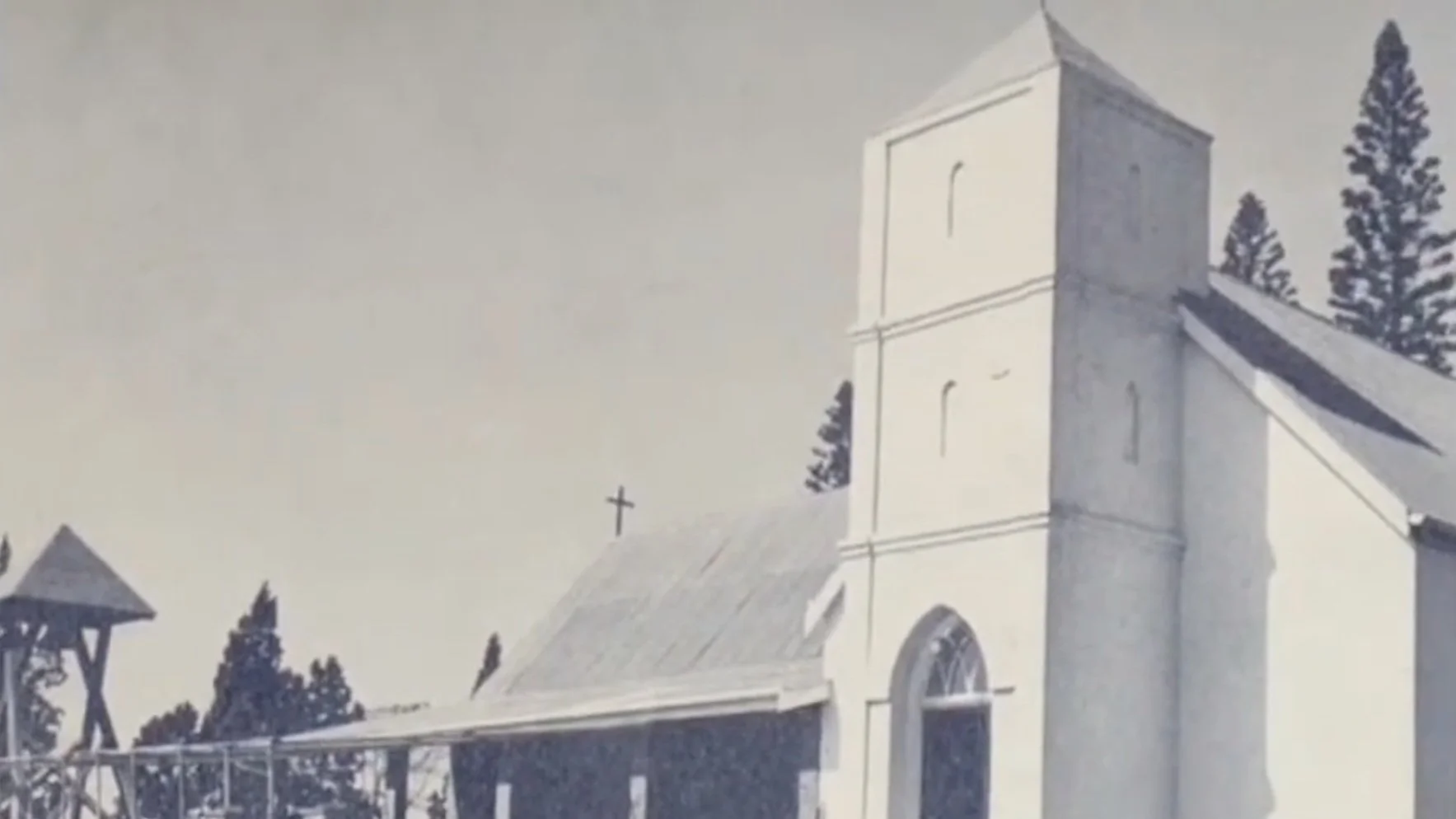
In 1886 a hall adjoining the original church was added to house the school for the settlers' children. In 1997 a sanctuary capable of seating 800 people was built alongside the original church to accommodate a growing congregation. As the congregation continued to grow, the need for a larger sanctuary became obvious. We believe that the Lord led us to commence a building project for a new 2500-seater sanctuary in April 2008. Inspired by the words, “You can't fire rockets from a canoe: you need a battleship” uttered by a great and respected church leader, the building of a battleship to make us more effective for the Lord started.
But the story of Norwegian Settlers Church is not just about buildings and a growing church membership. It is a story of caring for a community and seeking to bring about real and lasting transformation in the lives of the people all around us. As awareness of the immensity of this need grew, so did the realisation that we could never fund the vision God had imparted to this Church from the tithes and offerings received. As a result the Genesis Trust was formed on 5 November 2002. As a PBO, Genesis could legitimately raise money to meet the huge need. Falling under the covering of NSC it would retain the spiritual identity and integrity of the church, while being free to administer its own funds and operate on a day-to-day basis independently of the church.
One of the needs identified was for a step-down/hospice facility for patients that could not be accommodated by local hospitals. Through the generosity of individuals and the donation of land by NSC, the first twenty-bed ward of the Genesis Care Centre was established in March 2005. A second twenty bed ward and office block was opened in May 2007 along with a voluntary counselling and testing service. At the same time, the devastating effects of parentless families, unemployment, poverty and crime inspired the creation of a series of community/youth projects. These projects have gone from strength to strength and now operate on-site at NSC, Murchison, Mahlabathini, Shelly Beach, Lamberts Bay and other communities.